



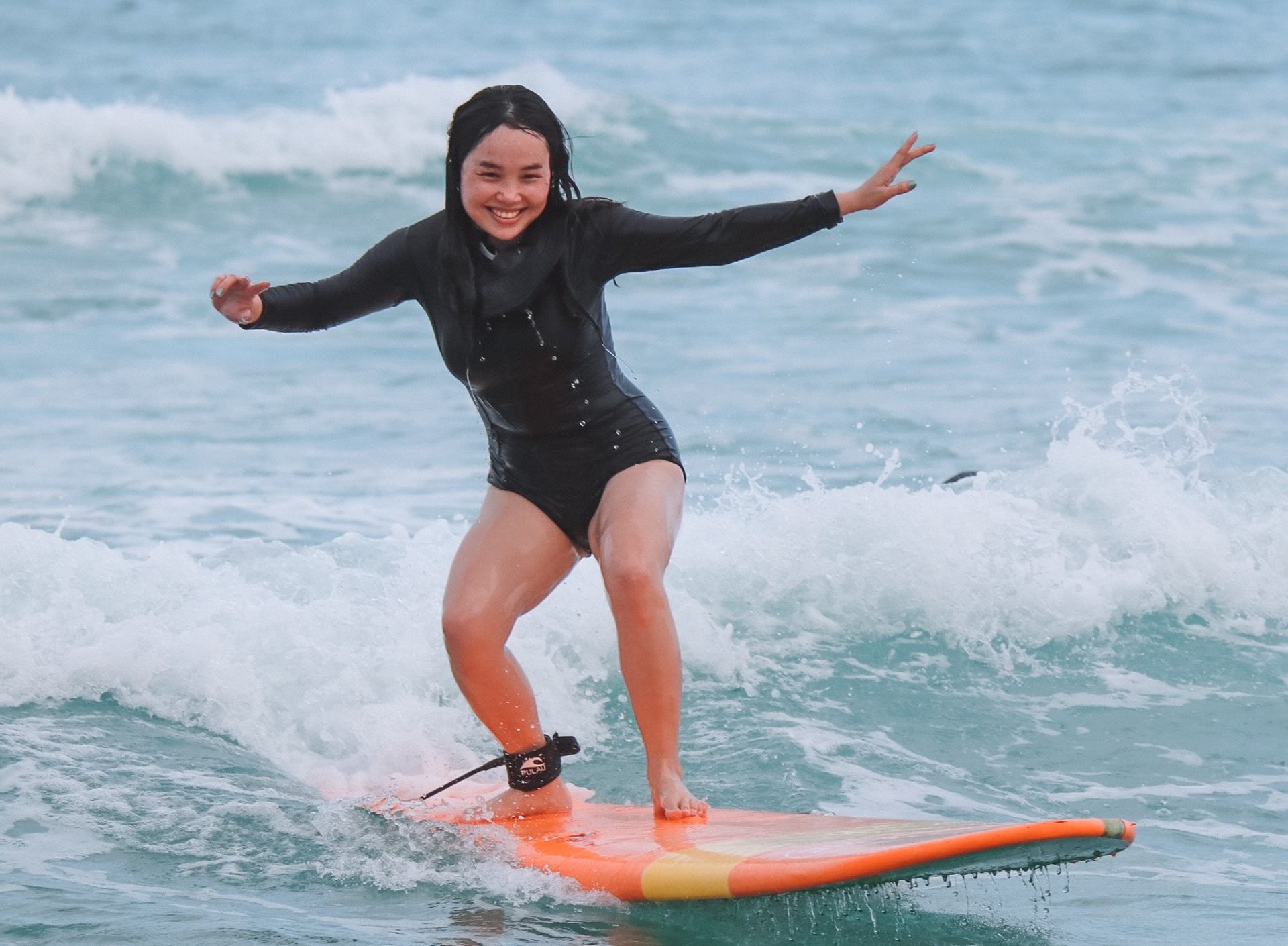
Is Surfing Hard to Learn? The Truth for Beginners in 2026
Is surfing hard to learn? Discover the truth for beginners in 2026. Learn why Bai Dai is the perfect spot and how to stand up in just one 2.5-hour session.
SURF TIPS
4/27/20264 min read
Is Surfing Hard to Learn? The Truth for Beginners in 2026
Is Surfing in Vietnam Beginner-Friendly? A Complete Guide
2. Secrets to Making Surfing Easier
If you search online, surfing consistently ranks as a complex sport to master. This reputation comes from three main factors:
The Unpredictability of the Ocean: Unlike a fixed pitch or court, the waves change every second. You aren't just learning a technique; you are learning to "read" the sea.
Physical Demands (Paddling): Approximately 80% of surfing is spent paddling. This is the most exhausting part for a beginner’s shoulders and back muscles.
The Pop-up Technique: Moving from a prone position to a standing stance in just 1–2 seconds on a moving object is a true test of body coordination.
1. Why is Surfing Considered One of the Hardest Sports?
Surfing becomes significantly less "stressful" when you have the right setup:
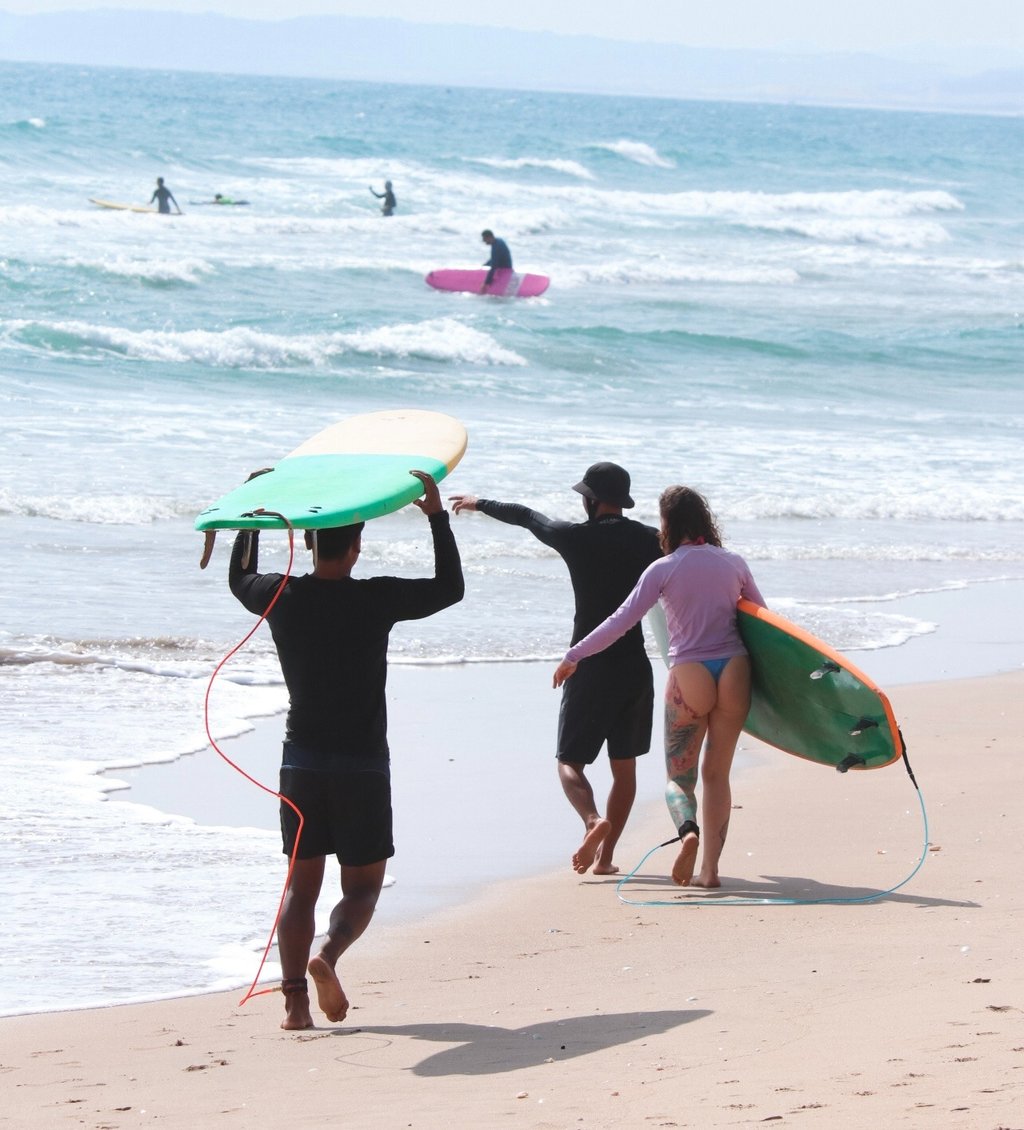
The Perfect Surf Spot: Beaches with flat sand bottoms and mellow waves—like Bai Dai—provide a safe "heaven" for beginners.
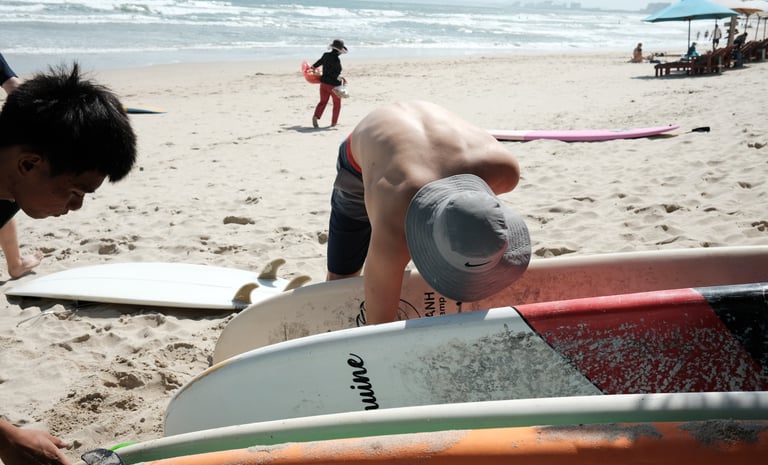
Choosing the Right Board: We use large, long Soft Top (foam) boards, which provide superior stability and minimize the risk of injury.
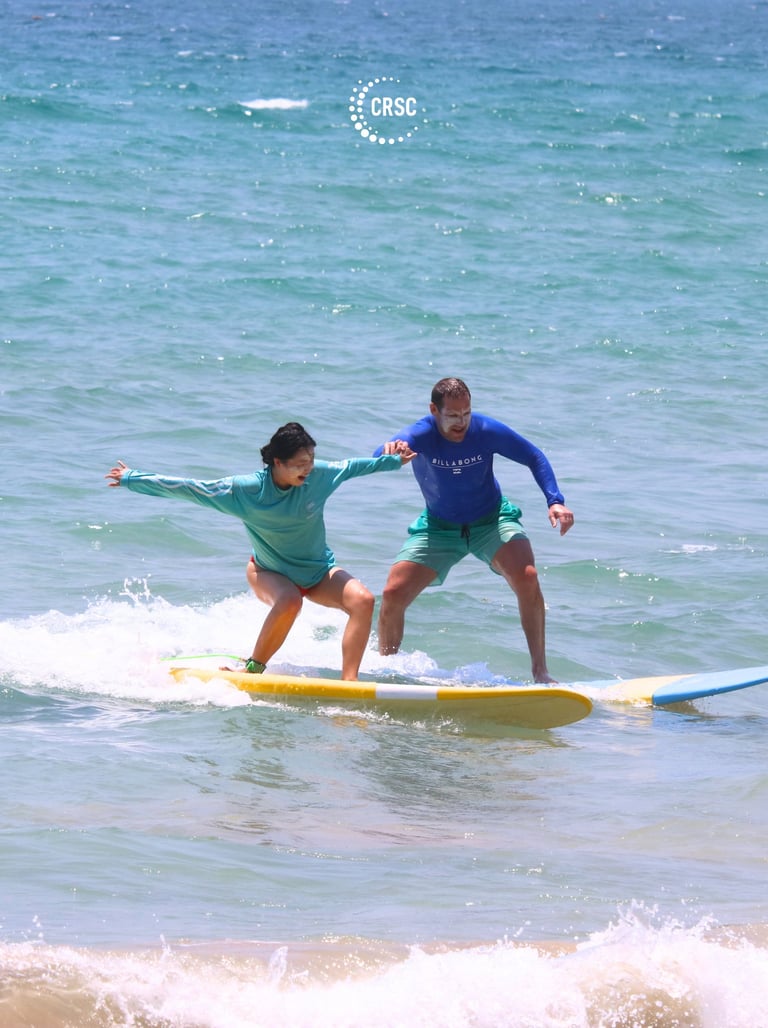
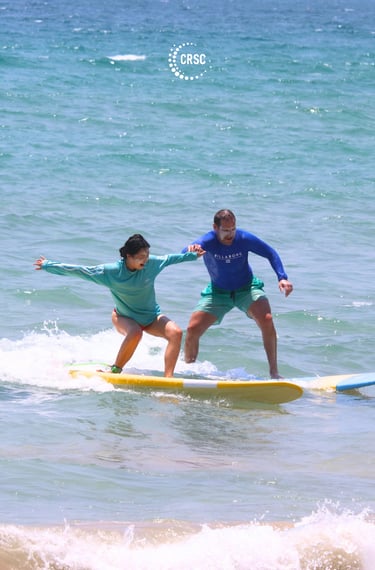
1-on-1 Professional Coaching: Instead of struggling on your own for months, a coach helps you correct your stance, time the waves, and gives you a push to get you standing during your very first session.
Vietnam • Beginner Guide
Many people look at the breaking waves and think: “Surfing must be too difficult; it’s only for the pros”. This hesitation is often the biggest hurdle keeping you from the most liberating feeling on earth. The truth is: Surfing has a steep learning curve, but it is only "hard" when you try to figure it out the wrong way.
At Cam Ranh SurfCamp (CRSC), we believe anyone can stand on the water with a structured roadmap and the right environment.
📅 Published: May 2026
⏱️ Reading Time: 7 minutes
💡 Key Takeaway: Surfing is highly accessible for beginners at Cam Ranh due to its flat sand bottoms and mellow waves. With a structured 2.5-hour session at CRSC, most students can successfully stand on their board on the very first day.
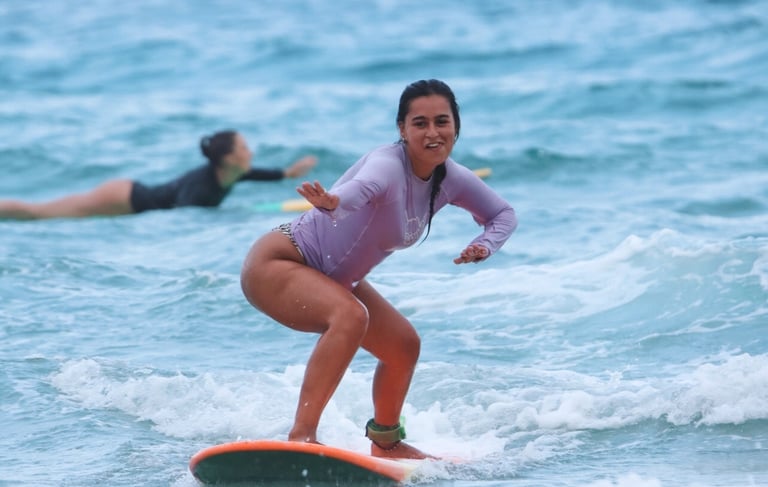
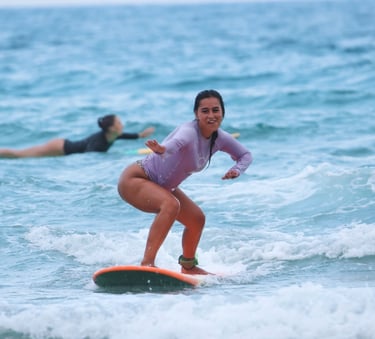
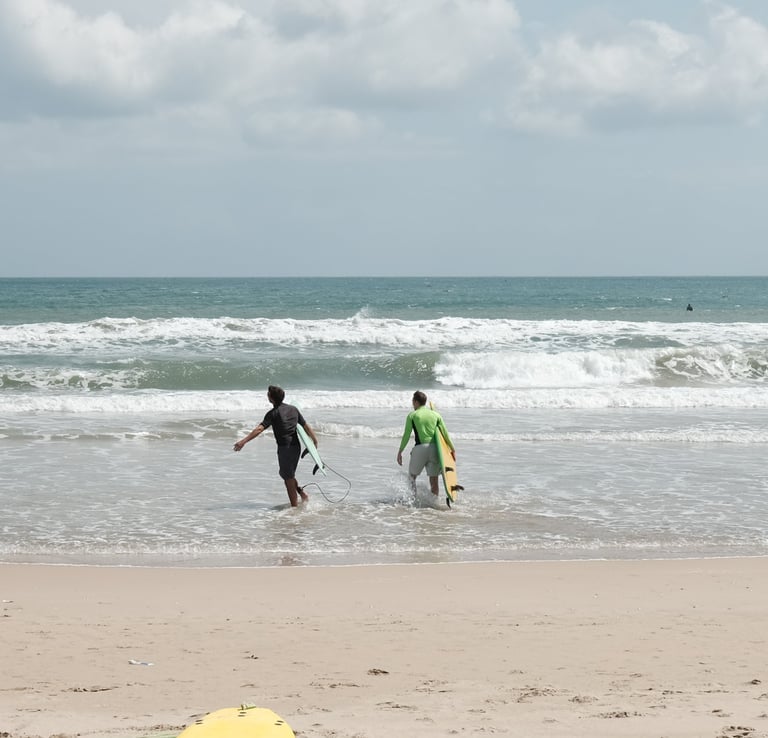
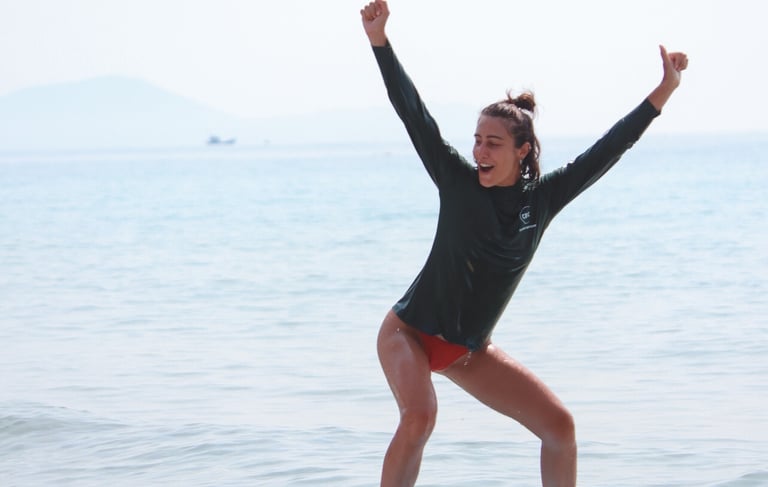
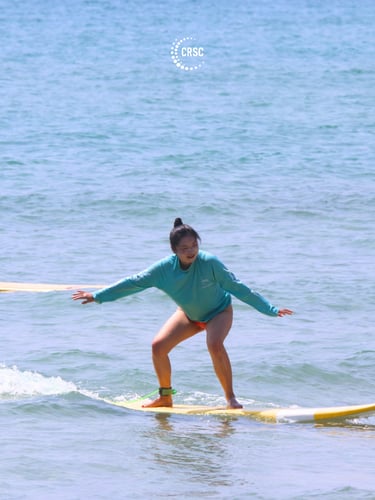
Is Surfing Hard? Yes and no. While surfing is considered one of the most complex sports to master due to the unpredictability of the ocean, it is not "hard" if you learn correctly. At Cam Ranh SurfCamp, most beginners can successfully stand on their board during their very first 2.5-hour session by utilizing professional 1-on-1 coaching and stable, beginner-friendly equipment.
What fitness preparation do I need? You don’t need to be an athlete. Just bring energy and a willingness to fall. Practicing planks or push-ups at home will help your Pop-up power.
Does surfing help with stress? Absolutely. Being in the water and focusing intensely on the moment significantly lowers cortisol (the stress hormone).
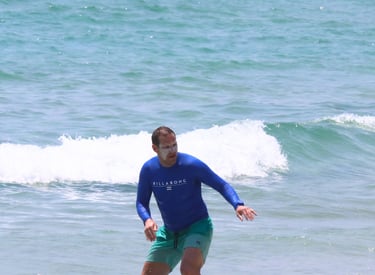
Conclusion
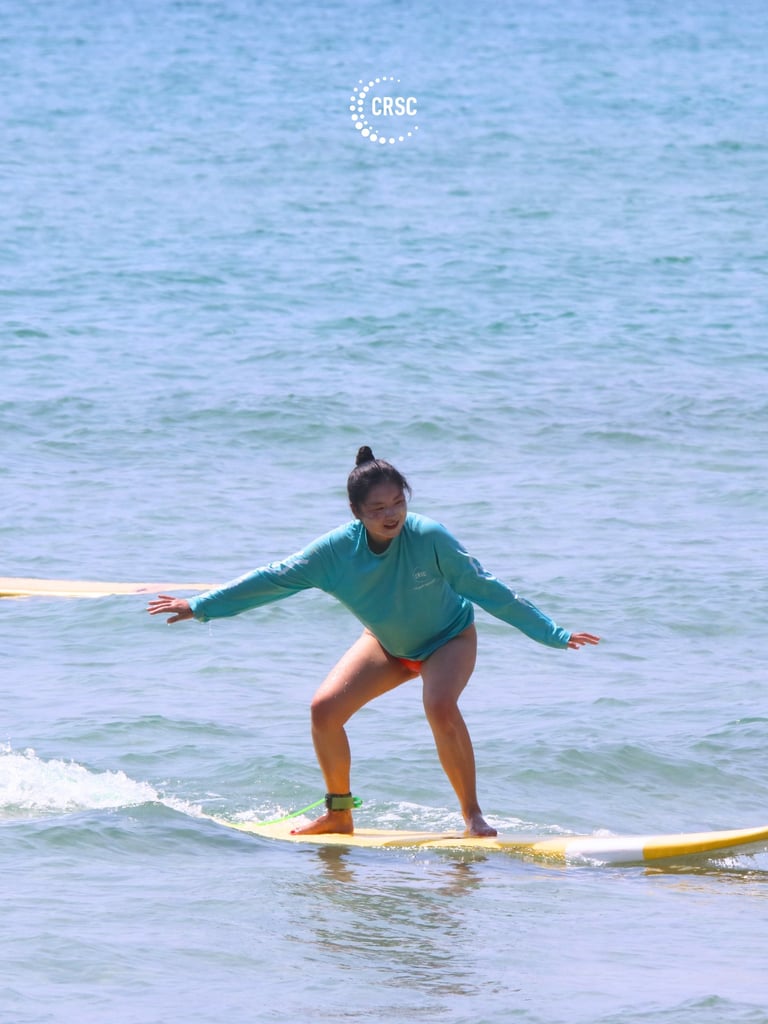
Surfing isn’t a battle to "beat" the wave; it’s an art of blending with nature. Don't let "cool" videos on social media intimidate you. At Bai Dai, everyone has a place to start.
Are you ready to stand up on your first wave? Check out our guide on the Top 5 Surf Camps in Vietnam 2026 to find your perfect home away from home!
stay up to date
Newsletter
3. Realistic Training Roadmap at Cam Ranh SurfCamp
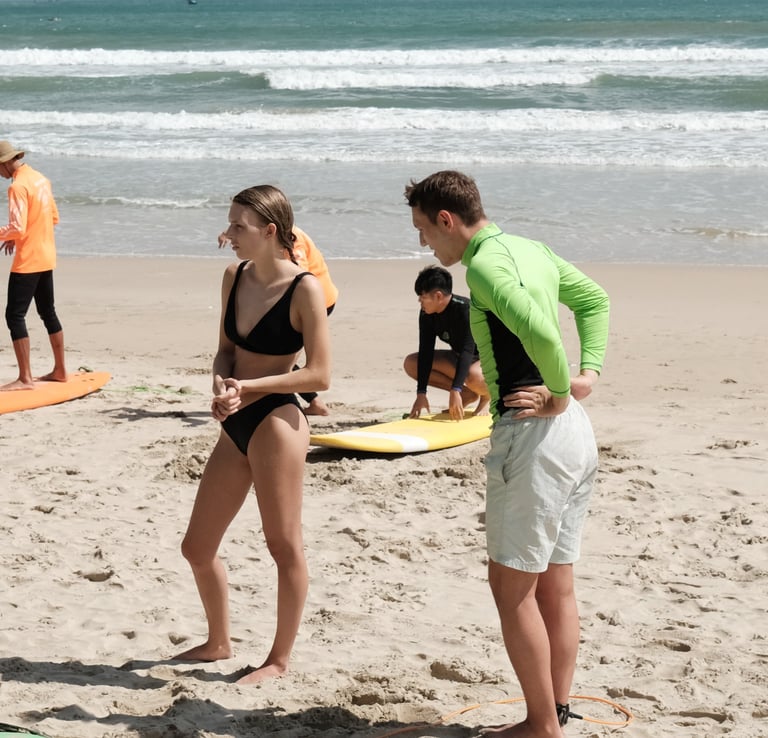
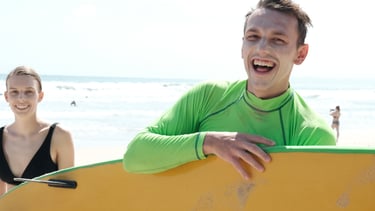
We don't make vague promises. Our training is divided into specific 2.5-hour sessions so you can choose the path that fits your goals:
Anatomy of a Standard Surf Session:
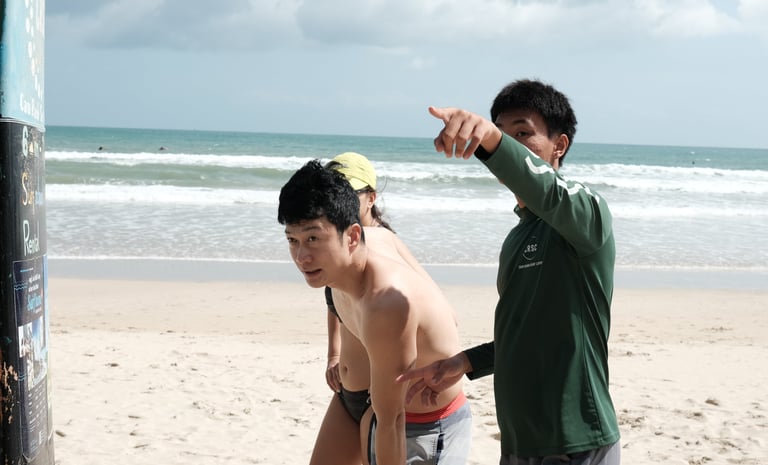
30 Minutes: Shore theory (ocean safety and Pop-up drills).
45 Minutes: Water practice (Session 1).
15 Minutes: Rest and hydration break.
45 Minutes: Water practice (Session 2).
30 Minutes: Free practice to feel the waves at your own pace.
Choose Your Course:
Discovery Course (1 Session): Perfect for a first-time experience. Learn the basics of paddling, safety, and the thrill of standing on your first wave.
Essential Course (3 Sessions - Level 1): Build a solid foundation. Learn to read the ocean and select waves effectively so you can practice independently.
Advanced Course (5 Sessions - Level 2): For those ready to level up. Focus on speed control and steering the board for a more dynamic ride.
4. Frequently Asked Questions (FAQ)