





Slow Travel: When the Journey is About Connecting, Not Just Collecting
Explore the rise of Slow Travel—a movement focused on deep local connections over fast-paced sightseeing. Learn how destinations like Hue and Cam Ranh are redefining the modern travel experience.
SURF TIPS
5/2/20263 min read
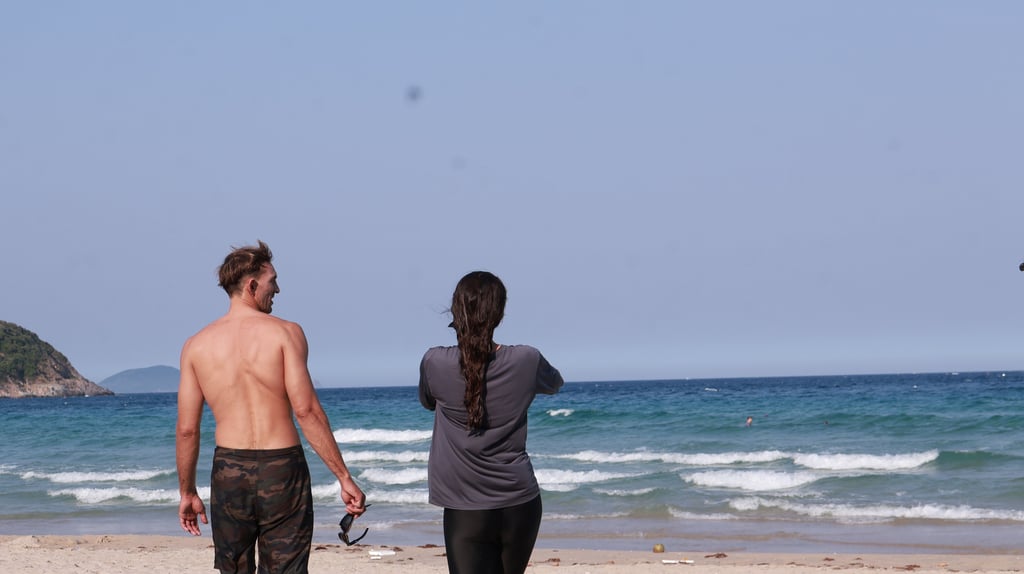
When the Journey is About Connecting, Not Just Collecting
When the Journey Becomes "More Gain than Loss"
1. "Go Slow, Feel Deep" – Reflections from Heritage Lands
Vietnam • Beginner Guide
Have you ever returned from a long vacation feeling more exhausted than when you left? For a long time, travel felt like a race: see as many places as possible, keep the schedule packed from dawn till dusk, and ensure every photo was "grid-ready." But as this high-speed consumption of landmarks reaches a breaking point, Slow Travel is increasingly gaining ground.
Slow Travel isn't about "collecting" sights just for the sake of the numbers. It’s a choice to live like a local for a few days: it’s the morning walk to a coffee shop where the owner begins to recognize your face; it’s knowing which bakery near the beach opens the earliest; or simply spending an afternoon eating seafood while the owner asks, "How was the ocean today?" These small moments make a traveler feel they have gained more than they lost—instead of losing energy to logistics, they gain a profound emotional thread that ties them to the land.
📅 Published: May 2026
⏱️ Reading Time: 7 minutes
💡 Key Takeaway: Slow Travel is more than just a pace; it is a sustainable investment in your mental and physical well-being (Blue Mind). Rather than "consuming" destinations, modern travelers are prioritizing authentic cultural immersion and genuine community connections in places like Hue or Cam Ranh.
Conclusion
The most beautiful part of traveling slowly is that you begin to remember the people rather than just the places. It’s the laugh of the surf instructor, the side-stories from the lady selling drinks by the beach, or the feeling of a group dinner after a full day in the water.
Perhaps that is why more people are no longer asking, "Where can I go to see the most?" and are instead starting to wonder, "Where makes me truly want to stay longer?" Sometimes, a quiet beach in Cam Ranh is the perfect answer to that question.
stay up to date
Newsletter
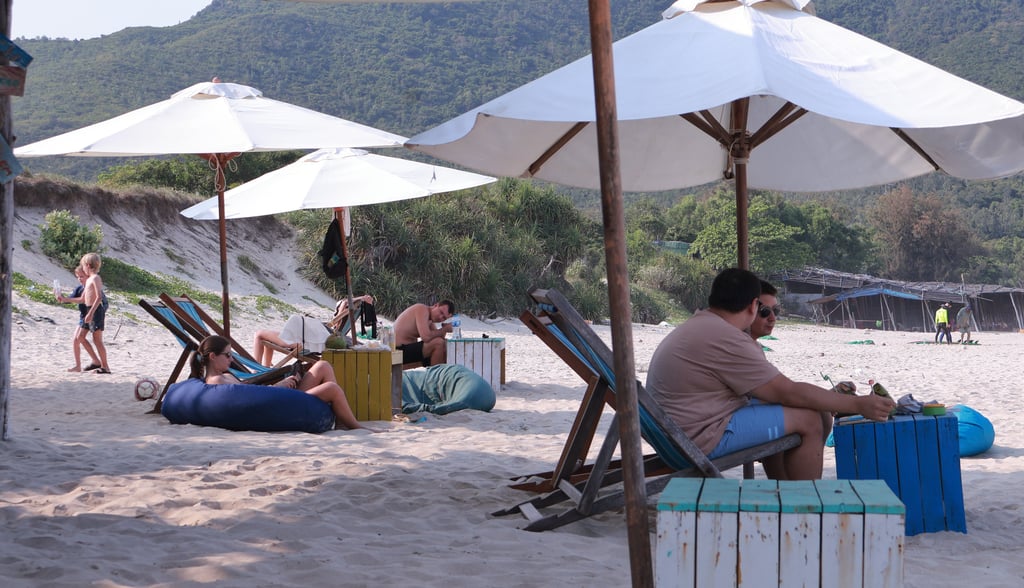
The philosophy of "Go slow, feel deep" has become a North Star for souls seeking authenticity. In Hue, visitors are no longer rushing through royal tombs; instead, they are taking the time to truly immerse themselves in the rhythm of life. They choose to cook with a traditional family, cycle through ancient suburban villages, or sit quietly in a local café to listen to the stories behind the Thanh Tien paper flowers or the history of a family lineage.
This deep understanding is exactly what 74% of global travelers are now searching for: they crave recommendations and experiences shared directly by locals rather than following pre-programmed, mass-market itineraries.
2. The Rhythm of the Waves and Stillness in Cam Ranh
Surfing culture has always been naturally aligned with the spirit of Slow Travel. A true surfer rarely travels with a "checklist"; they stay in one place long enough to understand the "breath" of the ocean, knowing when the swell is right and which café opens at the first light of dawn. This is why famous surf towns like Bali, Siargao, or Cam Ranh have such a magnetic pull: people arrive for a few days and end up staying for weeks.
In Cam Ranh, the inherent peace allows the "city ego" to gradually dissolve. Guests who arrive on day one, tethered to their phones and asking "What’s next on the list?", find themselves a few days later walking barefoot, waking up early to watch the sunrise, and sitting longer just to breathe in the salt air. They realize that engaging in activities like surfing here isn't just about learning a sport—it is a sustainable investment in their mental health, a way to reconnect with themselves amidst the vastness of nature.
References:
(1) Vietnam National Authority of Tourism, "Go slow, feel deep" (August 2025).
(2) Hilton Trends Report on secondary cities and local traveler preferences.